
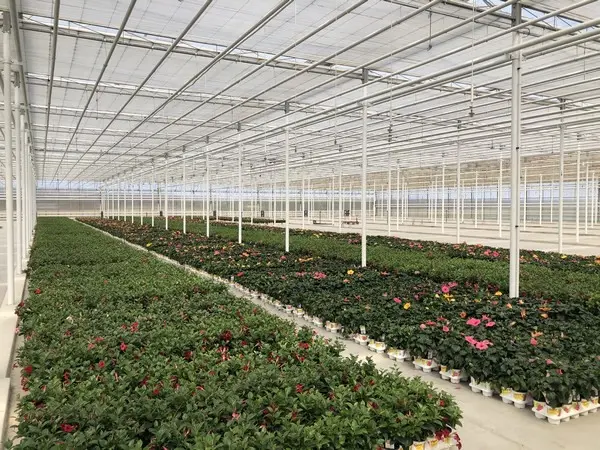
Greenhouse Dehumidifiers
Showing - of Products
No Products
Greenhouse Dehumidifiers
Showing - of Products
No Products
/
Greenhouse Dehumidifiers – Essential Climate Control for Healthier Crops
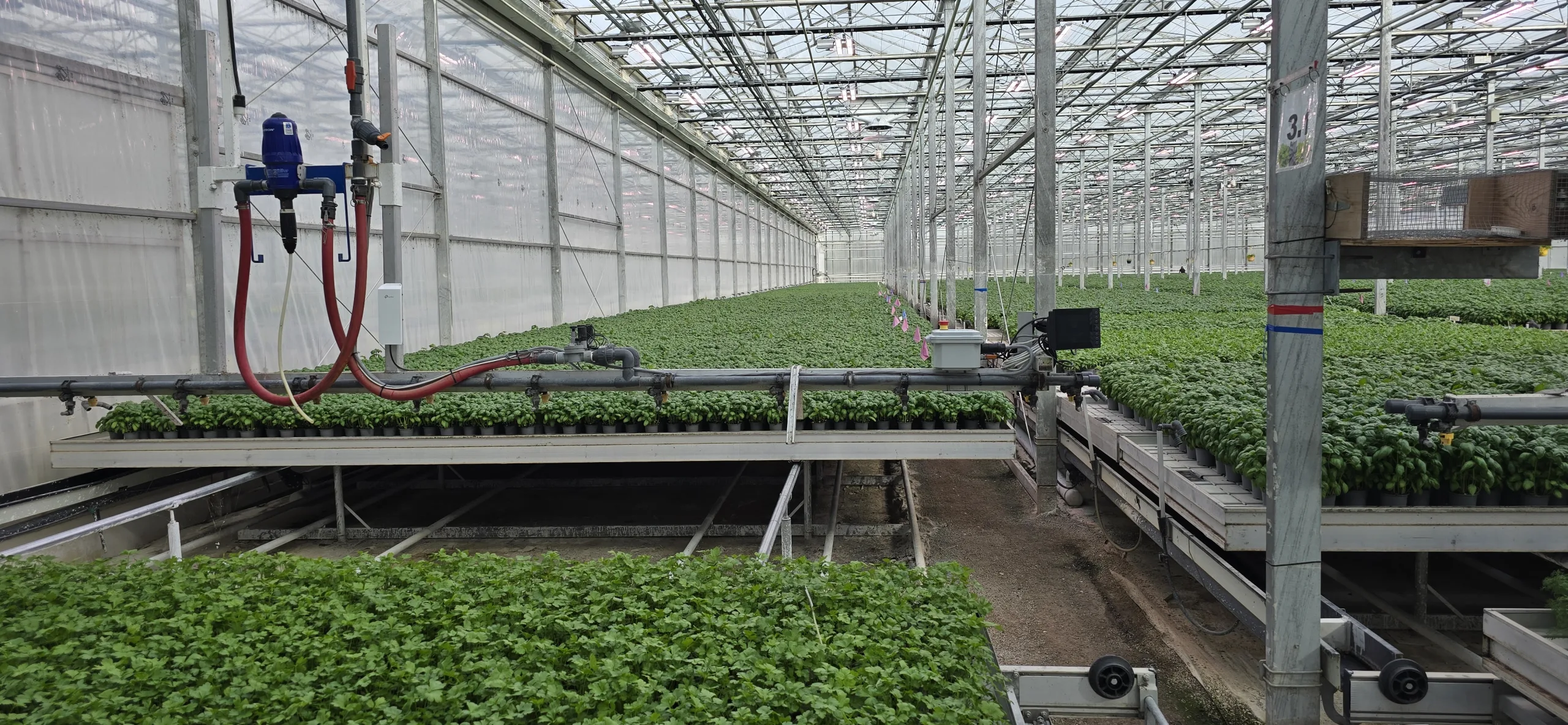
Greenhouse dehumidifiers play a critical role in modern greenhouse and controlled environment agriculture (CEA) systems. As growers push for higher yields, tighter crop schedules, and improved consistency, managing humidity has become just as important as controlling temperature, light, and irrigation.
Purpose-built greenhouse dehumidifiers actively remove excess moisture from the air to help maintain stable environmental conditions that support plant health, reduce disease pressure, and improve overall production efficiency.
- Greenhouse dehumidification helps growers:
- Maintain optimal relative humidity ranges day and night
- Reduce condensation on leaves, glazing, and structures
- Minimize fungal disease, mold, mildew, and bacterial pressure

Better Crop Performance Through Consistent Conditions
In greenhouse environments, humidity rises quickly due to plant transpiration, irrigation cycles, and limited air exchange. When relative humidity stays too high, disease pressure increases and plant performance suffers.
What consistent humidity control delivers:
- Healthier plant physiology
Balanced humidity improves transpiration and nutrient uptake, supporting stronger plant structure and more resilient crops. - More uniform growth
Stable conditions reduce variability across zones, leading to consistent size, quality, and timing across production runs. - Higher-value crop protection
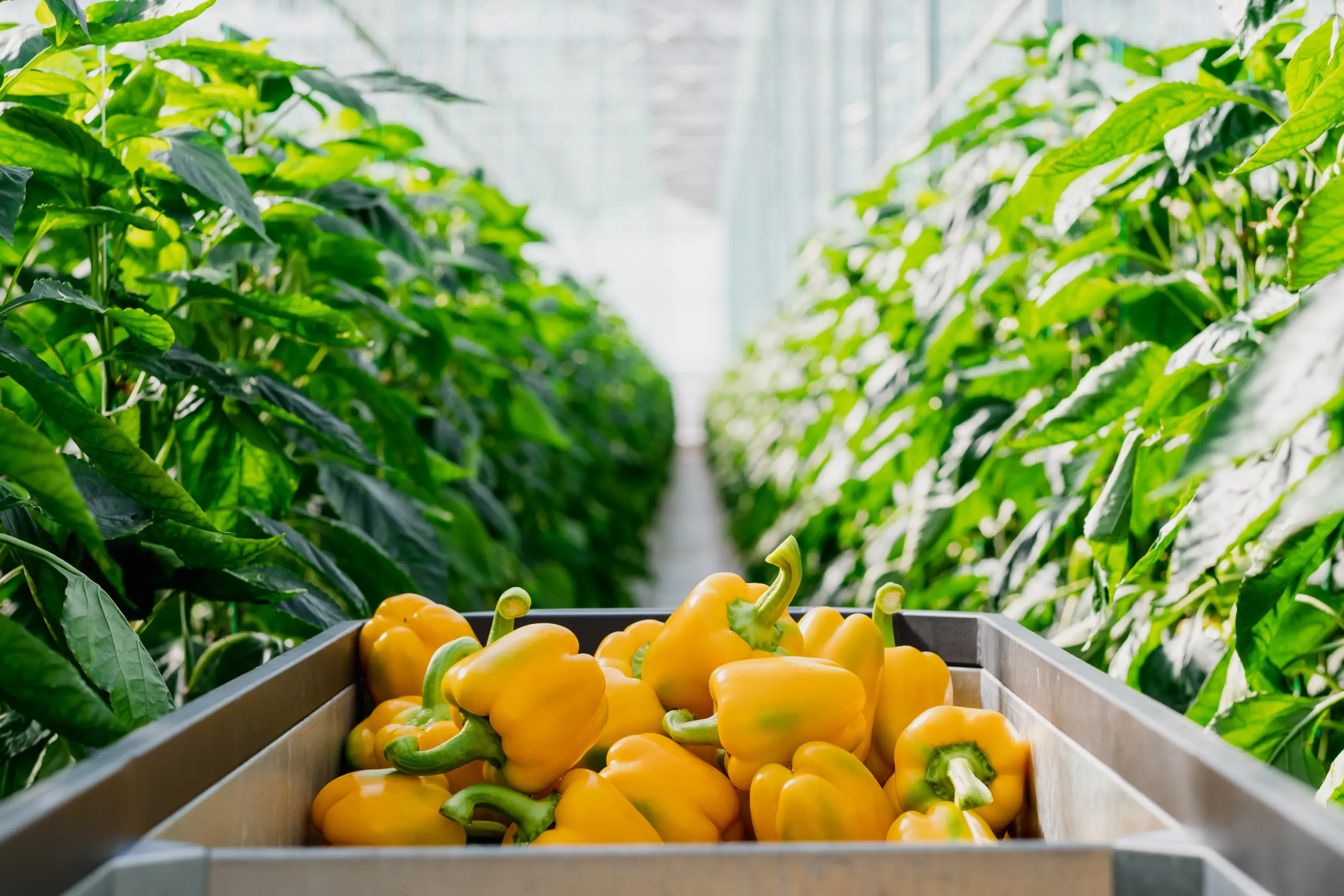
For propagation, leafy greens, herbs, ornamentals, and other sensitive crops, reliable humidity management reduces losses and protects margins. - Predictable production outcomes
Repeatable growing conditions make it easier to hit schedules, plan labor, and scale output with confidence.
Use in Integrated Greenhouse Systems
Energy efficiency is another major driver for adopting greenhouse dehumidification systems. Traditional humidity control methods—such as venting warm, humid air outside—often result in significant heat loss, especially during cooler months. This forces heating systems to work harder, driving up energy costs. Greenhouse dehumidifiers allow growers to manage humidity while keeping the greenhouse closed, retaining heat and reducing the need for excessive reheating. When integrated into a broader climate strategy, dehumidification can significantly lower overall energy consumption and operating costs.
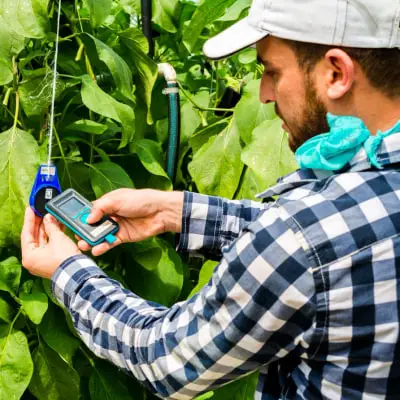
Greenhouse dehumidifiers also support automation and data-driven growing strategies. Many systems are designed to integrate with climate computers, sensors, and environmental control platforms, allowing humidity to be managed automatically based on real-time conditions and crop requirements. This level of control reduces manual intervention, improves consistency across zones, and helps growers scale operations more efficiently. For operations focused on automation, labor reduction, and long-term scalability, dehumidification is a foundational component of a modern growing system.
In addition to crop benefits, controlling humidity protects greenhouse infrastructure and equipment. High moisture levels can lead to corrosion, reduced equipment lifespan, and uncomfortable or unsafe working conditions. By maintaining balanced humidity levels, growers can extend the life of their systems while creating a healthier environment for both plants and people.
Greenhouse dehumidifiers are not just standalone products—they are an essential part of an integrated growing system. When combined with proper heating, ventilation, irrigation, and automation, dehumidification helps growers optimize climate control, reduce risk, and maximize return on investment. As greenhouse operations continue to evolve, effective humidity management remains a cornerstone of efficient, profitable, and sustainable crop production.

Custom Solutions for your Operations
Connect with our experts to explore horticulture solutions that drive efficiency and sustainability.